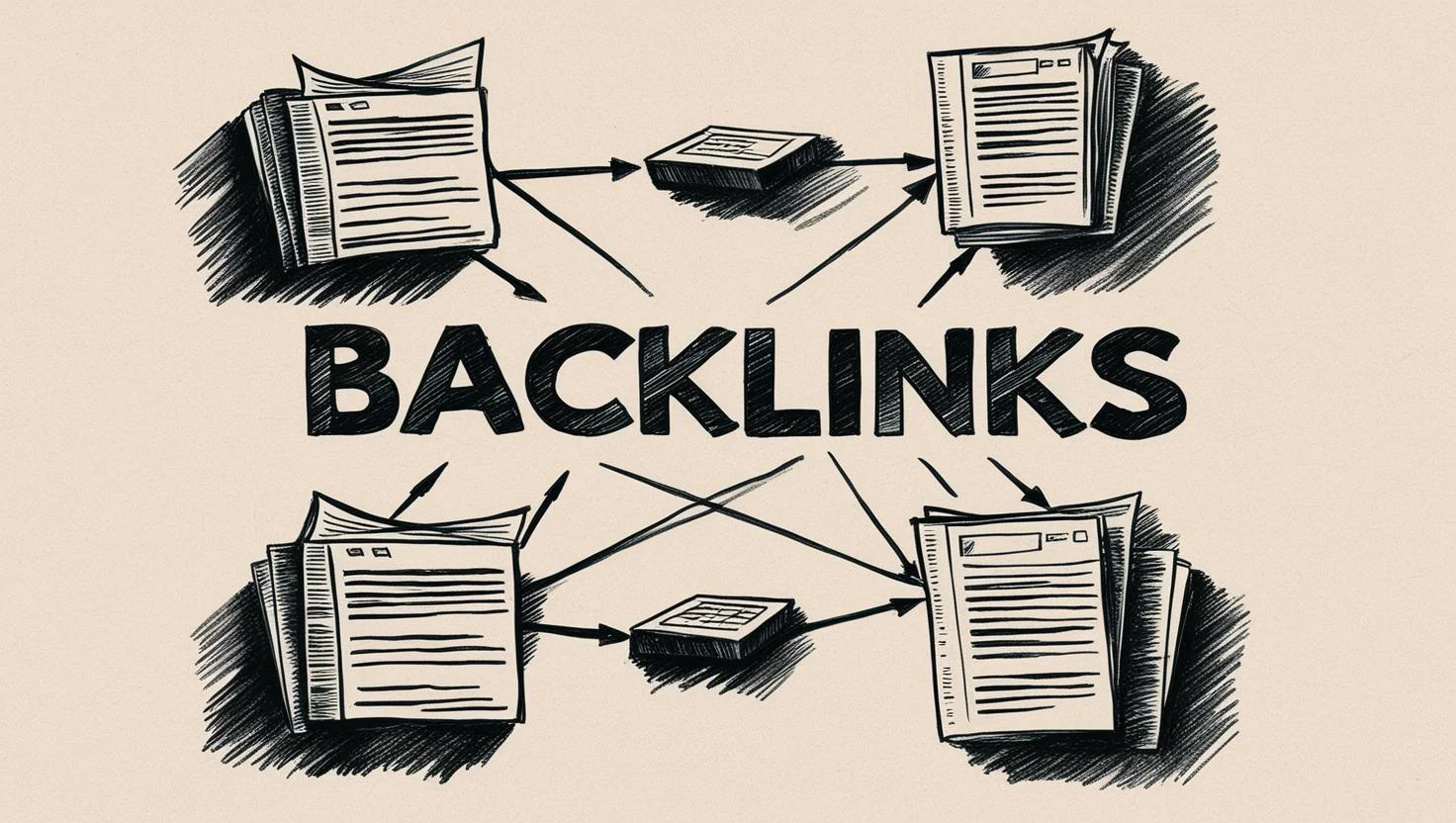
What are backlinks?
Backlinks, also called inbound links, are links from other websites that point to their own page. They are considered one of the most important ranking factors in search engine optimization (SEO) because they signal to search engines that a page is trustworthy and relevant.
Types of Backlinks:
- DoFollow links: Pass on the so-called link juice and directly affect the ranking.
- Nofollow links: Are not ranked by search engines for the ranking, but can generate traffic.
- Natural backlinks: Created when other websites voluntarily link to their own content.
- Manually created backlinks: Are designed specifically, for example by guest contributions or directory entries.
- Bad backlinks: Comes from dubious or spam sites and can have a negative impact on the ranking.
Importance for SEO and Visibility:
- Backlinks evaluate search engines as a signal of trust.
- You can bring extra traffic from linking websites.
- New content is discovered faster by search engines via backlinks.
Ways to Build Backlinks
Creating high-quality contentDetailed guides, case studies, comparisons, leaderboards and infographics are linked more frequently from other websites.
Guest contributions: Posts on thematically relevant blogs or magazines with a suitable backlink to your own website.
Broken link building: Identify defective links on foreign websites and suggest your own resource as a replacement to the operator.
Content assetsDownloadable checklists, free calculators or glossaries are often linked from other sites.
Link exchange: Cooperation with other websites in the same subject environment – in moderation so as not to trigger a spam signal.
Forums and social media: Active and helpful contributions with targeted, unobtrusive linking of own content.
Press releases and HAROServices such as HARO (Help A Reporter Out) can create contacts with journalists and thus backlinks.
Strategic construction over time
Sustainable link building is gradual:
- First four weeks: Entries in business directories, active participation in forums and social networks, initial guest posts and comments, search in niche directories.
- Weeks 5 to 12Guest articles on medium-sized blogs, further HARO inquiries, building partnerships, content marketing formats such as guides and studies, as well as targeted link outreach.
- From the third monthFocus on evergreen content, long-term collaborations and continuous monitoring with SEO tools such as Ahrefs or Semrush.
Relevance for ranking
A backlink from a thematically appropriate, authoritarian website acts as a sign of trust in search engines and can positively influence the ranking. In addition, new content is indexed faster via backlinks.
Quality is more important than quantity. Few high-quality links from trusted, thematically appropriate sources with real traffic have a stronger effect than a large number of low-quality links. Spam links, link farms or purchased links, on the other hand, can harm the ranking.
Costs
Prices for backlinks vary widely – from a few euros on platforms such as eBay to several hundred euros per link at specialized agencies. However, buying backlinks contradicts the guidelines of most search engines; Google recognizes purchased links in many cases and can devalue websites for them.
Backlink analysis
When analyzing your own link profile, the following points are relevant:
- Quality before quantity: Links from serious pages weigh more than a high number of low-quality links.
- RelevanceBacklinks from your own thematic niche are more valuable than links from outside the industry.
- Domain authority: The trustworthiness of the linking page affects the effect of the backlink.
Tools such as Ahrefs, SEMrush or Moz show which websites link and which links should be checked.
Removing bad backlinks
Bad backlinks often come from dubious or spam sites and can harm a site’s ranking and reputation. Procedure:
- Identification: Using tools like Google Search Console or Ahrefs to identify problematic links.
- AssessmentCheck if the linking page fits thematically and has an acceptable domain rating.
- Distance or cancellation: Contact the webmaster with the request for removal or have the link invalidated via the Google Disavow tool.
- Improving content strategy: Then rely on high-quality backlinks through cooperation and good content.