
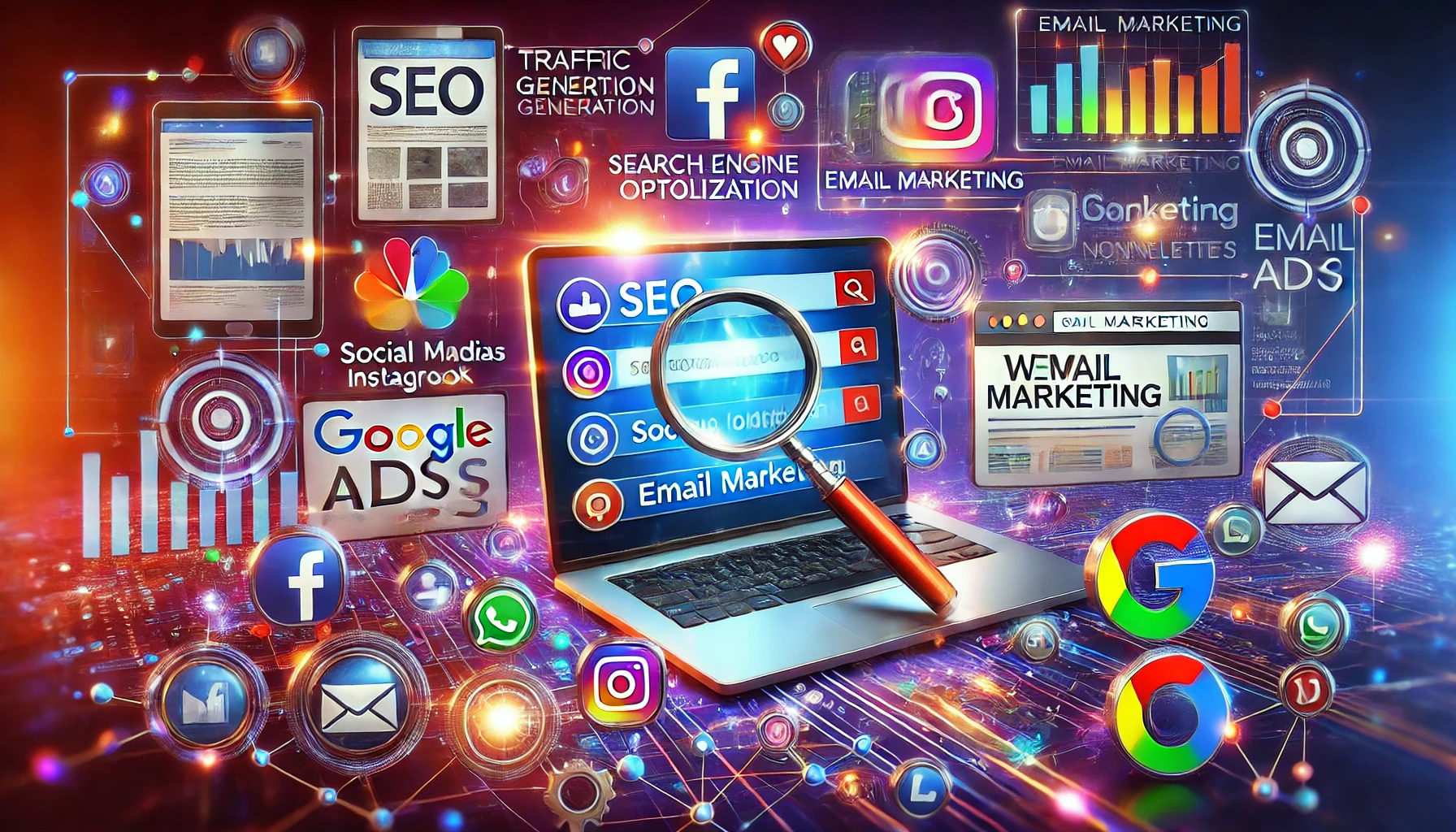
There are many ways to drive traffic to a website. Organic traffic is generated free of charge via search engines, social media or other websites, while paid traffic is generated by advertisements.
Before selecting concrete strategies, the target group should first be clearly defined.
Overview: Traffic generation strategies

On-page SEO: The basis for online success
- Keyword research: Research relevant search terms of the target group before creating content.
- Optimization of Headings and Content: Insert keywords in headings (H1–H6), in the first 100 words and in the image-old text.
- Meta description: Formulate convincing meta descriptions to win clicks.
- Optimize loading times: A fast loading time is relevant both for the user experience and as a ranking factor on Google.
- Mobile optimization: Ensure mobile responsiveness of the site.
On-page SEO is an ongoing process.
Local SEO: For Regional Visibility
- Google Business Profiles: Create and maintain a free profile with up-to-date company information.
- Local business directories: Maintain entries on platforms such as Yelp, TripAdvisor and Yellow Pages.
- Local Keywords: Examples: “Friseur in Berlin” or “Restaurant Munich city centre”.
Content Marketing: Creating Added Value and Winning Customers
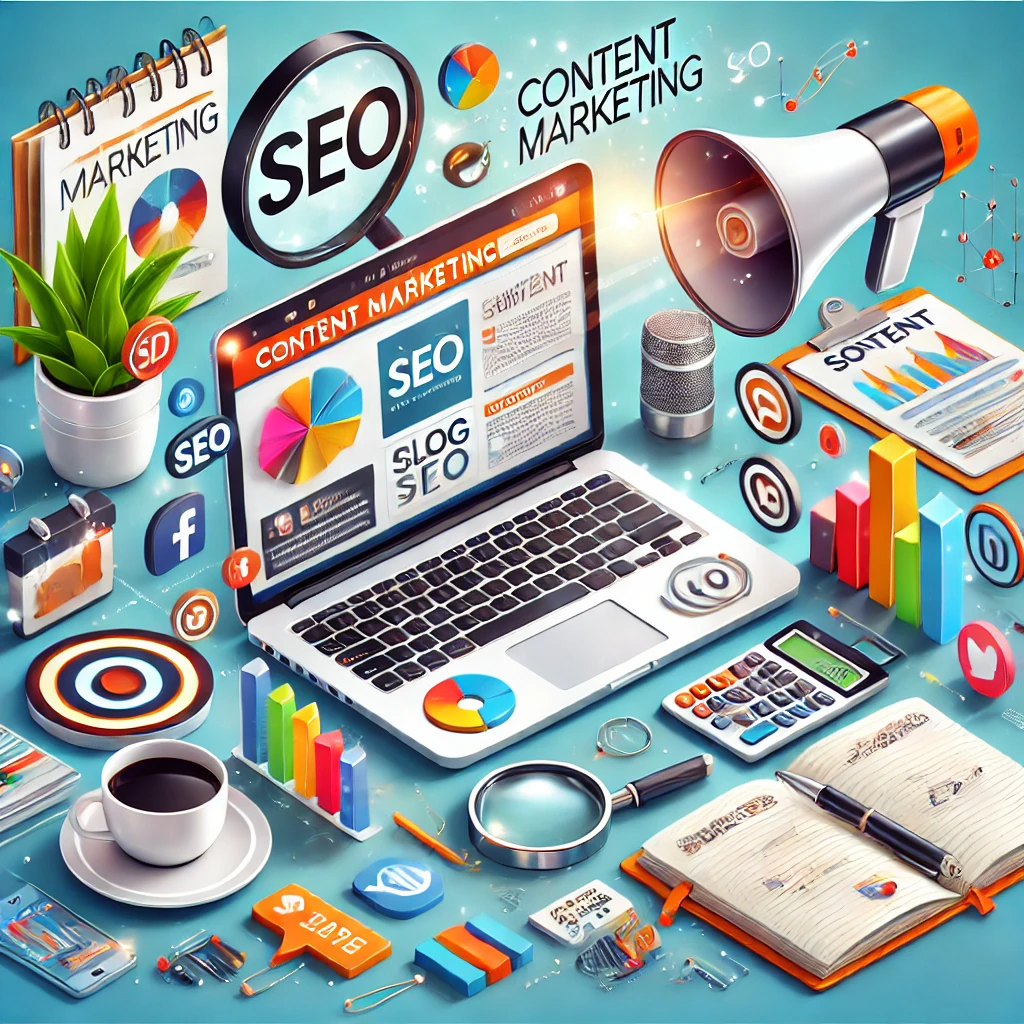
One of the most effective strategies for building organic traffic in the long term. Three recommended content formats:
- Blog posts: Regular publication on relevant topics.
- E-books and whitepapers: Offer additional information as free downloads.
- Videos: Explanatory videos, product presentations or interviews.
Social Media Marketing: Increase Visibility, Encourage Interaction
- Regular content: Consistent publication of relevant content.
- Interaction: Active exchange with followers.
- Social Media Advertising: Display targeted ads on relevant platforms.
Paid advertising (paid ads): Fast and targeted traffic
- Define the target group: Clearly define the target group before the campaign starts.
- Keywords and Targeting: Use platform tools for precise targeting.
- Budget and bids: Set budgets and bid on keywords or target groups.
Email marketing: Using newsletters to engage customers and increase traffic
- Newsletter registration: Incentives such as e-books or discounts.
- Personalized content: Segment lists and adjust content accordingly.
- Call-to-action: Include clear calls for action such as “discover product now”.
Cooperation and recommendation marketing
- Guest contributions and interviews: Publish guest contributions or participate in interviews.
- Joint webinars or events: Organize together and promote each other.
Forums, Groups and Community Marketing
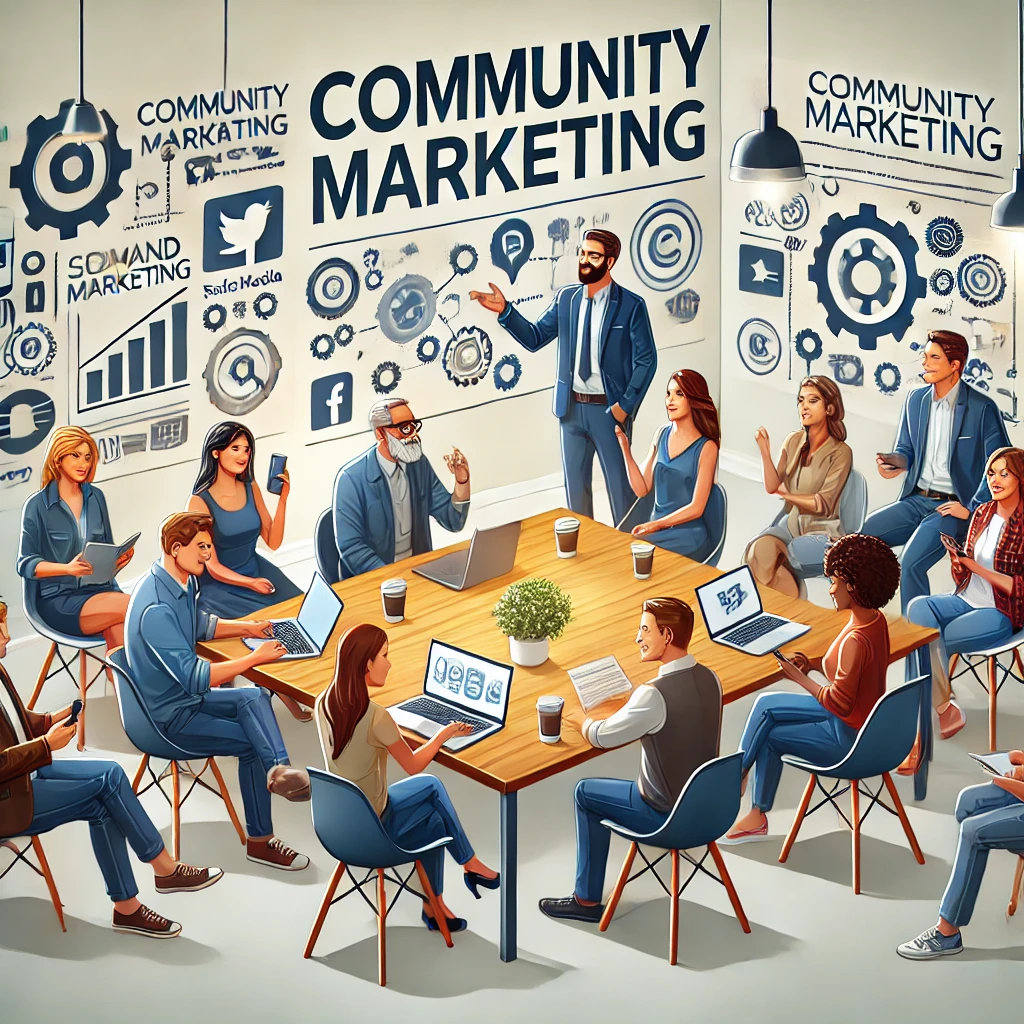
Active engagement in relevant communities with real added value for members. Important note: Forums and groups are not suitable for clumsy self-promotion.
PR and media work: visibility through the press
- Press releases: Send announcements to relevant media.
- Blogger Relations: Building relationships with bloggers and influencers.
Offline marketing with online linking
- Print advertising with QR codes: Use QR codes on printing materials.
- Events and fairs: Organize own events or participate in trade fairs.
Conclusion: Traffic generation strategies
There are many ways to drive traffic to a website. Continuous analysis and optimization of the measures used is crucial to achieve long-term success.